Ja
James
Great Britain
April 2026
2 Terrible
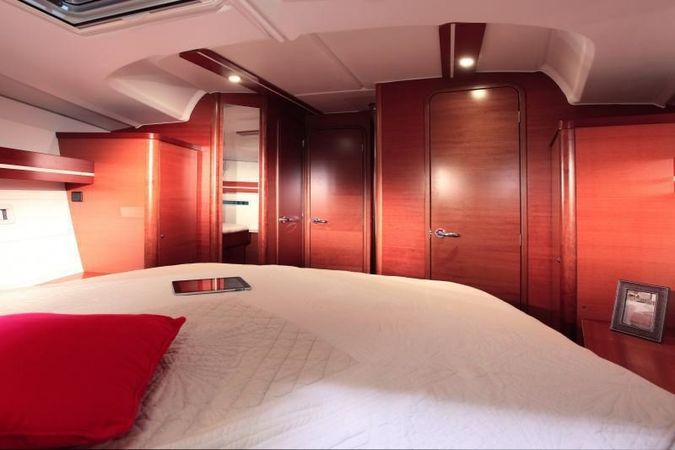
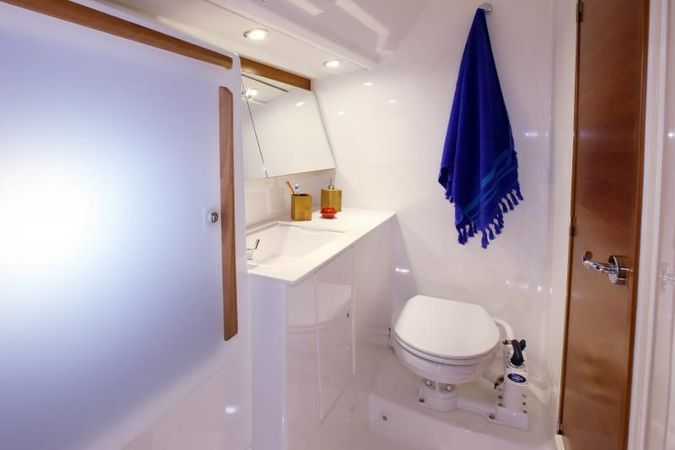
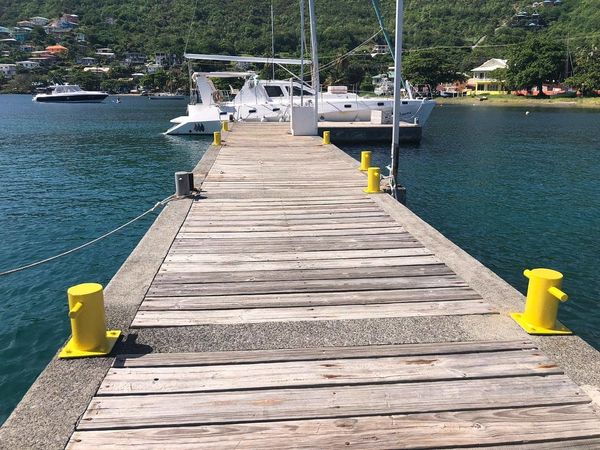
The boat was poorly presented with many faults which adversely affected the We consider that the yacht provided fell materially below the standard reasonably expected of a properly maintained and seaworthy charter vessel. The issues encountered were not minor or cosmetic, but included a number of safety-critical defects and operational failures which significantly affected both safety and enjoyment of the charter. 1. Safety-critical defects * Shore power cable failure (fire risk): When attempting to connect to shore power during an unplanned marina stay, the supplied cable—previously subject to a visible improvised repair—overheated and caught fire in my hand. This represents a clear and serious safety hazard. Photographic evidence is available. * Defective anchor and windlass system: At handover, your employee (Sion) was attempting to repair the windlass using duct tape. This subsequently proved ineffective, as the power switch was not securely connected to the motor. The fault became apparent when attempting to anchor in a busy anchorage, forcing us to abort the manoeuvre due to safety concerns. We were obliged to use mooring buoys instead, incurring additional cost and inconvenience. The fault required onboard repair by us. 2. Functional defects affecting use of the vessel * Battery and charging system inadequacy: The batteries did not hold sufficient charge for a crew of seven, refrigeration, and normal onboard usage. This necessitated unplanned engine use solely for charging, resulting in additional diesel costs. Furthermore, after repairing the shore power cable, the vessel failed to charge when connected, suggesting a fault with the onboard inverter or charging system. * Heads (toilet) defect: A leaking seal on the toilet pump was identified at inspection. This subsequently resulted in a blockage, which was both unpleasant and disruptive for a largely non-sailing crew. We were advised that attendance by the charter company would incur significant cost, and therefore undertook repair ourselves. * Mainsail and rigging deficiencies: The mainsail system was poorly maintained. Hoisting and reefing were excessively difficult, requiring significant physical effort beyond what would reasonably be expected. On inspection, reefing lines were incorrectly rigged and, in one case, not attached to the sail at the leech. The lines themselves were worn and failed to run correctly. * Misdescription of mainsail system: The vessel was advertised as having a rolling mainsail (implying roller reefing). This was not the case. Additionally, lower mainsail runners appeared to be missing, preventing safe or effective use of a full sail. * Foresail roller reefing fault: The foresail furling system suffered from a riding turn and stiffness, likely due to inadequate maintenance. This required manual intervention on deck during operation, increasing workload and reducing safety. 3. Additional deficiencies * The absence of a wind speed instrument (anemometer) was noted. While not critical in isolation, it is typically standard equipment and contributed to the overall impression of poor maintenance. 4. Consequences and losses As a result of the above: * We incurred additional marina and mooring costs due to inability to anchor safely * We incurred additional fuel costs due to reliance on engine charging * Significant time during the charter was spent diagnosing and repairing defects * The experience was materially diminished for a mixed-experience crew
Some effort to provide a competent charter company.
Translated by Google